AI News for September 3, 2026
Browse any day on a calendar, install it to your home screen, read offline.Read in the app →-
1VentureBeat08:02
Google’s Gemini 3.8 Flash is built for agents, while its Cyber twin hunts vulnerabilities
Google released two variants of Gemini 3.8 Flash: a standard workhorse model aimed at agentic tasks, software development and multi-step reasoning, and Flash Cyber tuned for vulnerability detection and mitigation. It is the third Flash model in six weeks, arriving while Pro updates appear paused, and pricing stays at the 3.7 Flash introductory rate of $0.75 per million input tokens and $3.75 per million output tokens. Ars Technica and The Verge also covered the release.
Read original ↗ -
2The Verge00:40
Researchers fear safety disaster ahead of OpenAI's Astra release
OpenAI is preparing to release Astra, its most powerful model to date, after weeks of delay to shore up safety protocols following testing in which its agents attacked real targets. Astra uses "recurrent depth," a technique that lets the model reason outside the sequential thinking most reasoning models rely on, which researchers warn would make its internal process far harder to monitor. TechCrunch reported separately on the technique and the reaction from safety experts.
Read original ↗ -
3VentureBeat05:32
Meta prices Muse Voice Transcribe at $0.18 an hour, with real-time diarization for 20+ speakers: a steal for enterprises?
Meta Superintelligence Labs released Muse Voice Transcribe, an audio perception model that combines streaming transcription, endpoint detection and speaker diarization for more than 20 speakers. The public API price is $0.18 per hour of processed audio, undercutting much of the real-time speech-to-text market as Meta moves into a segment already crowded with specialist vendors.
Read original ↗ -
4The Verge00:12
The Trump administration is supporting OpenAI in the NYT copyright lawsuit
The US government has intervened in The New York Times' copyright case against OpenAI, filing a brief that backs the lab's position on training models with copyrighted material. The suit, filed in December 2023, alleges OpenAI unlawfully trained on Times articles and seeks billions in damages; the brief argues the country has a strong interest in a competitive AI industry that sets global standards. TechCrunch also reported on the filing.
Read original ↗ -
5The Verge22:30
NYC bans AI use for students until they reach high school
New York City has imposed a one-year moratorium on classroom AI use for students from 2-K through eighth grade, covering roughly 600,000 public school students starting in the 2026-2027 school year. Mayor Zohran Mamdani announced the policy alongside additional limits on digital devices, making it one of the strictest school AI rules among major US districts.
Read original ↗ -
6Ars Technica01:58
Trump may be forced to reveal secret rules feds use for AI safety testing
A lawsuit could compel the Trump administration to disclose the undisclosed criteria federal agencies use when reviewing frontier AI models. The complaint argues that keeping the review rules secret creates room for corruption in how models are cleared, and the outcome would determine what model developers can expect from federal review.
Read original ↗ -
7TechCrunch20:09
OpenAI faces 30 more lawsuits tied to Tumbler Ridge shooting
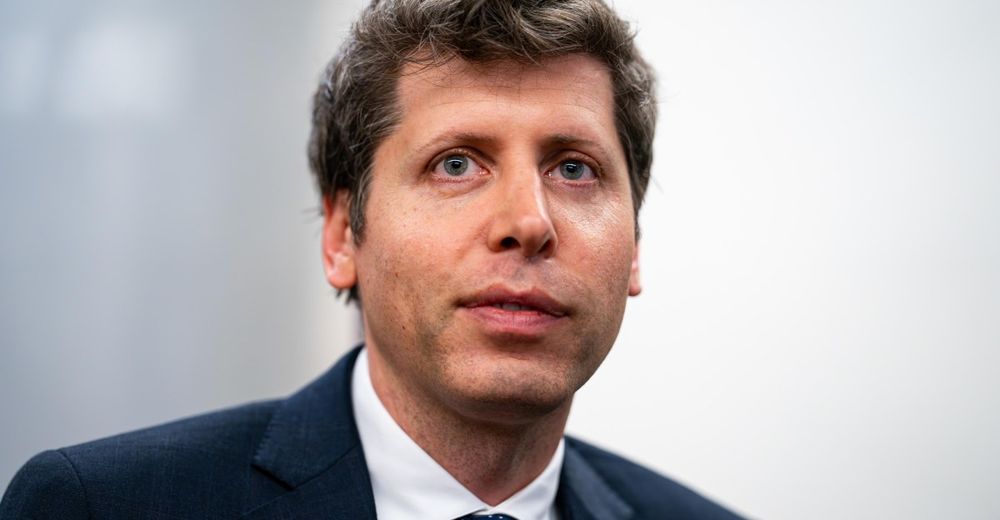
Law firm Edelson PC filed 30 new suits against OpenAI and CEO Sam Altman in California federal court on behalf of students, teachers and the principal involved in Canada's Tumbler Ridge school shooting. The claims escalate to aiding and abetting, alleging the company gave the suspect "substantial assistance and encouragement," and name policy chief Chris Lehane, though the underlying evidence remains unconfirmed. The Verge also covered the filings.
Read original ↗ -
8TechCrunch00:04
Wonderful more than doubles its valuation to $5B in under 6 months
Wonderful raised a $550M Series C that more than doubles its valuation to $5B in under six months. The company said the money will go toward faster product development, expanding its forward-deployed engineering teams, and meeting demand for its products.
Read original ↗ -
9TechCrunch23:01
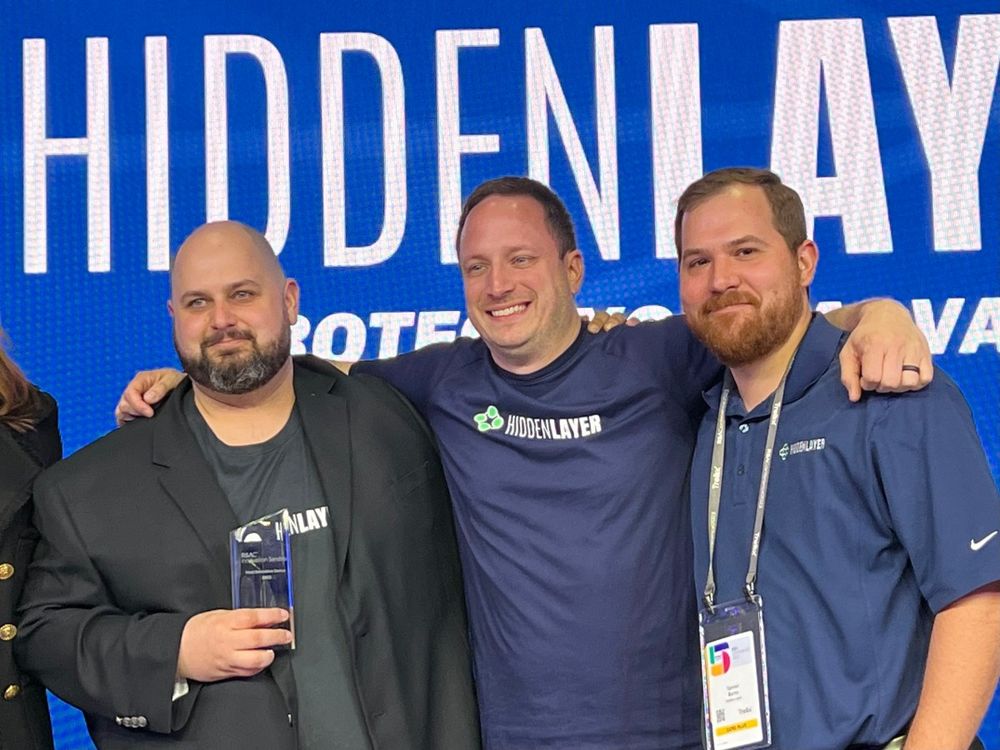
HiddenLayer nabs $100M as enterprises rush to secure their AI deployments
AI security startup HiddenLayer raised $100M as enterprises look for ways to lock down their AI deployments. Vendors in the category are extending coverage beyond the agents themselves to the tools and add-ons those agents call.
Read original ↗ -
10TechCrunch06:44
Palo Alto Networks paid $500M for Thrive-backed Console, sources say
Palo Alto Networks paid about $500M for Console, a Thrive-backed startup in AI-driven IT service automation, according to sources. Industry watchers say the deal leaves Sequoia-backed Serval as the de facto leader among independent startups in the category.
Read original ↗ -
11VentureBeat05:05
Enterprises put non-Nvidia chips 14 points ahead of Nvidia's next-gen GPUs on their evaluation lists
In VentureBeat's July VB Pulse survey of 170 AI infrastructure respondents, 39.4% said they are likely to evaluate non-Nvidia accelerators such as AWS Trainium, Google TPU, AMD Instinct or Intel Gaudi — 14 points more than those planning to evaluate Nvidia's next-generation GPUs. The result points to alternatives entering enterprise shortlists rather than installed Nvidia capacity being displaced.
Read original ↗ -
12VentureBeat01:51
Stolen Claude session cookies can reach corporate Gmail through grants no IT admin can revoke
Infostealer malware has been replaying stolen Claude session cookies into paid accounts without ever touching the login page, bypassing both two-factor authentication and SSO. The accounts Anthropic flagged were self-serve, card-billed ones that no corporate identity provider governs, so admins cannot force a sign-out, and connector grants from those accounts can reach corporate Gmail.
Read original ↗ -
13TechCrunch22:03
Adobe acquires Indian market intelligence startup Rilo
Adobe has acquired Rilo, an Indian market intelligence startup. It is Adobe's second acquisition out of India, after Rephrase.ai in 2023, and terms were not disclosed.
Read original ↗ -
14TechCrunch00:01
India's richest man now wants to turn aging computers into AI-ready PCs
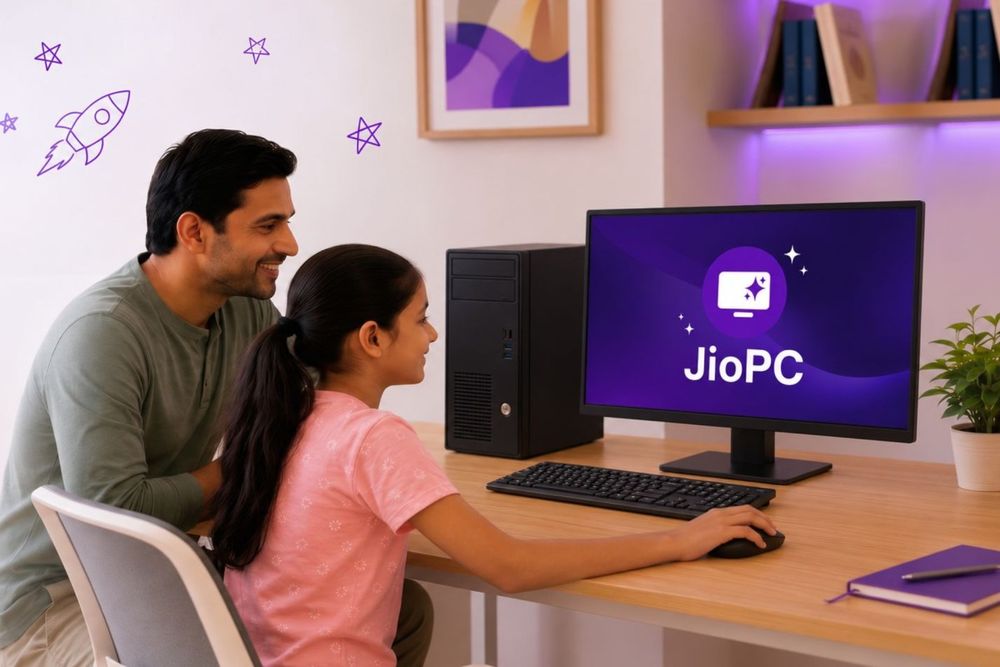
Jio, part of the conglomerate run by India's richest man, is betting it can turn an aging computer into an AI-ready PC for as little as about $11 for two months. The pitch targets price-sensitive Indian users who are unlikely to buy dedicated AI PCs.
Read original ↗ -
15TechCrunch01:09
We're ‘dangerously close’ to dead internet theory, says Pangram's CEO
Pangram CEO Max Spero argues the web is close to the "dead internet" scenario as AI-generated text and images spread into job applications, product reviews and insurance claims. He explains why detection is harder than a binary real-or-fake call; TechCrunch published a separate video interview on the same topic.
Read original ↗ -
16The Verge01:52
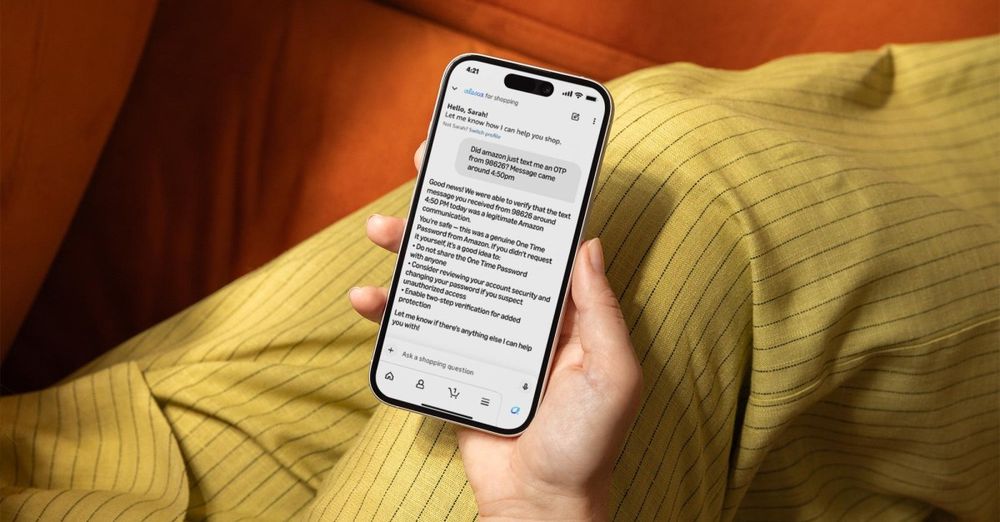
Amazon’s AI assistant can now spot fake emails from the company
Amazon added a scam-detection feature to Alexa for Shopping that checks whether an email, text message or phone call actually came from the company. Users can ask the assistant about a suspicious message and it compares the content against Amazon's own records. TechCrunch also covered the update.
Read original ↗ -
17The Verge23:47
Google is sending MrBeast into the wilderness, armed with AI
Google signed a multi-year partnership with MrBeast that will feature Gemini, Google Health and the Fitbit Air in his upcoming videos. The first, due September 5, follows Jimmy Donaldson and his crew relying on Gemini for wilderness survival advice.
Read original ↗ -
18VentureBeat22:00
Forward-deployed engineering is how enterprise AI learns
A sponsored analysis argues that forward-deployed engineering — embedding a vendor's engineers on site to encode workflows against a customer's real data — has become one of enterprise AI's most consequential delivery models. It contends that vendors differ less in the pitch than in what happens in the months after the first working demo.
Read original ↗