AI News for November 12, 2026
Browse any day on a calendar, install it to your home screen, read offline.Read in the app →-
1Ars Technica02:16
Taiwan’s chipmaking giant TSMC to invest $1B in Anthropic, OpenAI
TSMC plans to invest $1B across Anthropic and OpenAI, putting the world's largest contract chipmaker on the cap table of two of its biggest sources of demand. The deal extends the circular financing pattern that has defined the AI buildout, in which suppliers take equity in the labs that buy their output. It lands at a moment when investor confidence in the AI trade has started to waver.
Read original ↗ -
2TechCrunch07:28
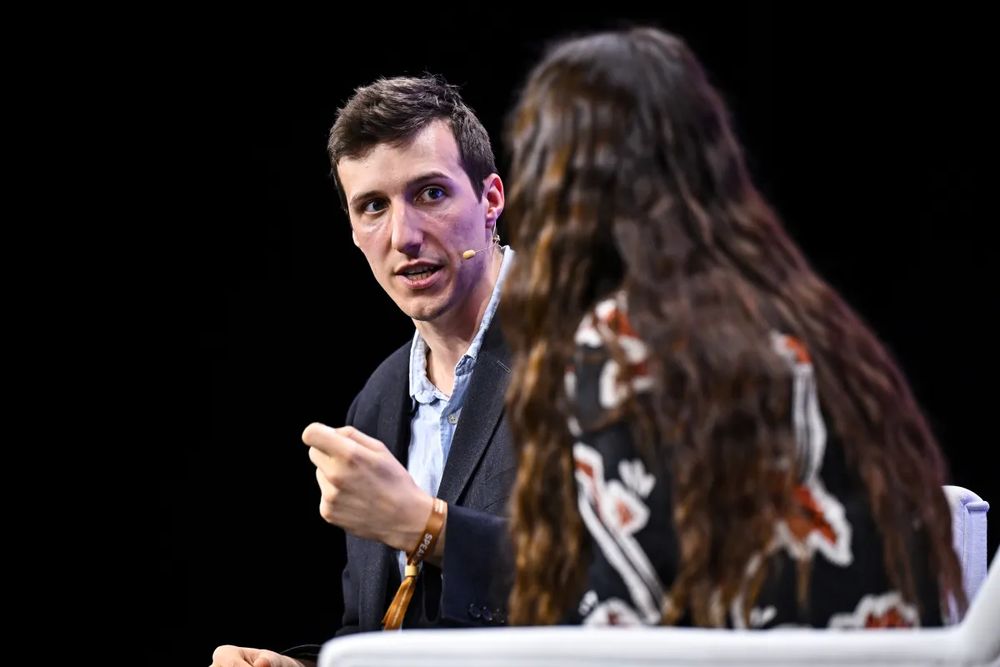
Nvidia’s stock drops as board reportedly preps to oust CEO Jensen Huang
Nvidia's board could move as soon as Wednesday evening to remove Jensen Huang, its founder and CEO of 33 years, and the stock fell on the reports. The trigger is a New York Times report of a second alleged extramarital affair, this one with an Nvidia executive, days after Huang acknowledged a relationship with a woman alleged to be a Chinese intelligence agent. The Verge and other TechCrunch pieces, including a timeline of the scandal, are covering the same story.
Read original ↗ -
3TechCrunch00:14
OpenAI's quarterly revenue reportedly crosses $10B for the first time
OpenAI's third-quarter revenue reportedly reached $10 billion, up nearly 50% from the $6.7 billion it recorded in the second quarter. The figure gives one of the clearest public readings yet on how fast commercial demand for frontier models is growing, and on OpenAI's ability to fund its compute commitments.
Read original ↗ -
4The Verge23:00
Google’s AlphaGenome 2 zooms in on the cellular roots of disease
Google DeepMind has released AlphaGenome 2, a successor model that predicts how changes in DNA affect different cell types. The added cellular resolution targets a long-standing bottleneck in genomics: linking individual variants to the mechanisms behind disease, and potentially to new treatments.
Read original ↗ -
5Ars Technica22:08
Google DeepMind just mathematically verified key parts of Signal
Google DeepMind used AI assistance to produce formal, machine-checked proofs for key parts of the Signal protocol in about four weeks. Formal verification normally takes expert teams months or years, so the result is a concrete data point on whether models can make the technique practical for widely deployed software.
Read original ↗ -
6TechCrunch03:34
With $720M round, Britain's Fractile gets a leg up in the race for AI chips
UK startup Fractile raised $720M, making it one of the best-funded companies building purpose-built AI chips. The round adds to a wave of capital flowing to inference-focused silicon as buyers look for alternatives to Nvidia's accelerators.
Read original ↗ -
7TechCrunch03:22
Congress to call Jensen Huang in to answer for alleged Chinese spy affair
House Republicans have given Nvidia CEO Jensen Huang until the end of Wednesday to agree to a closed-door briefing about his affair with a woman alleged to be a Chinese intelligence agent. The request pulls the scandal into the policy arena at a time when Nvidia's China sales and export controls are already under scrutiny.
Read original ↗ -
8TechCrunch03:54
CoreWeave turns to customer prepayments, shorter contracts to fund AI growth
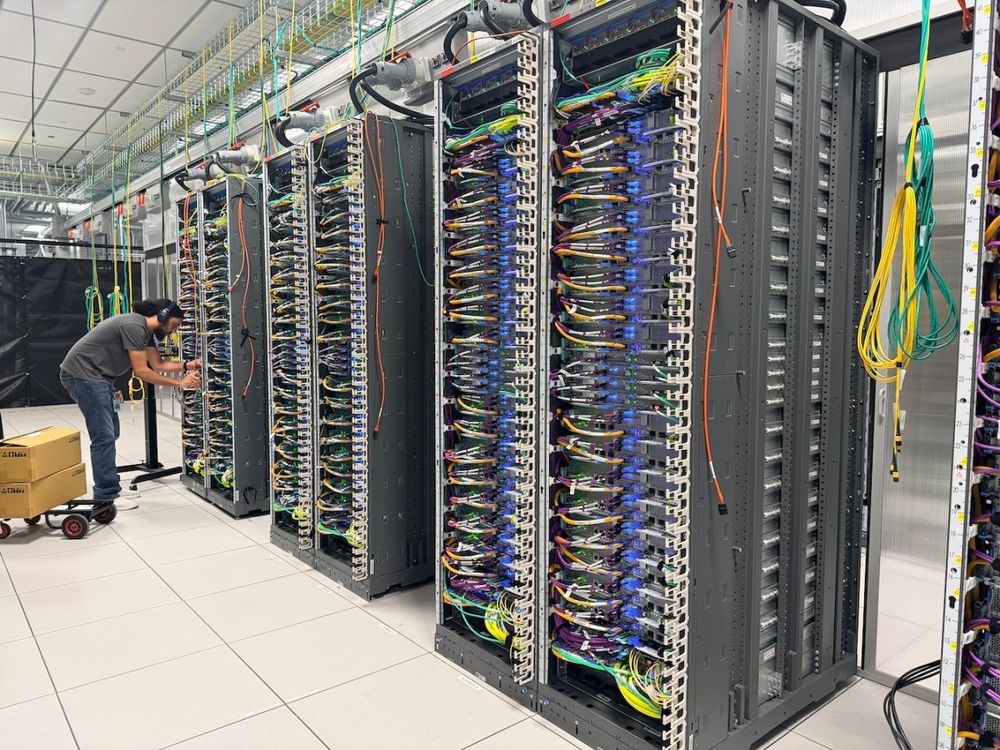
CoreWeave's third-quarter earnings show it is increasingly asking customers to pay up front, borrowing against specific contracts, and moving toward shorter deals that could command higher prices. The shift says something about how expensive GPU capacity has become to finance, and how much pricing power cloud providers currently hold.
Read original ↗ -
9TechCrunch04:02
How backlash and red tape continue to slow data centers post-Blue Wave
TechCrunch examines the practical obstacles facing the data center boom: local opposition, permitting delays, and competition for electricity. A more basic issue sits underneath them — many of the projects announced with headline dollar figures may never be built at all. TechCrunch published a video version of the same discussion.
Read original ↗ -
10TechCrunch11:13
Who could replace Jensen Huang? A highly unscientific list of possible successors
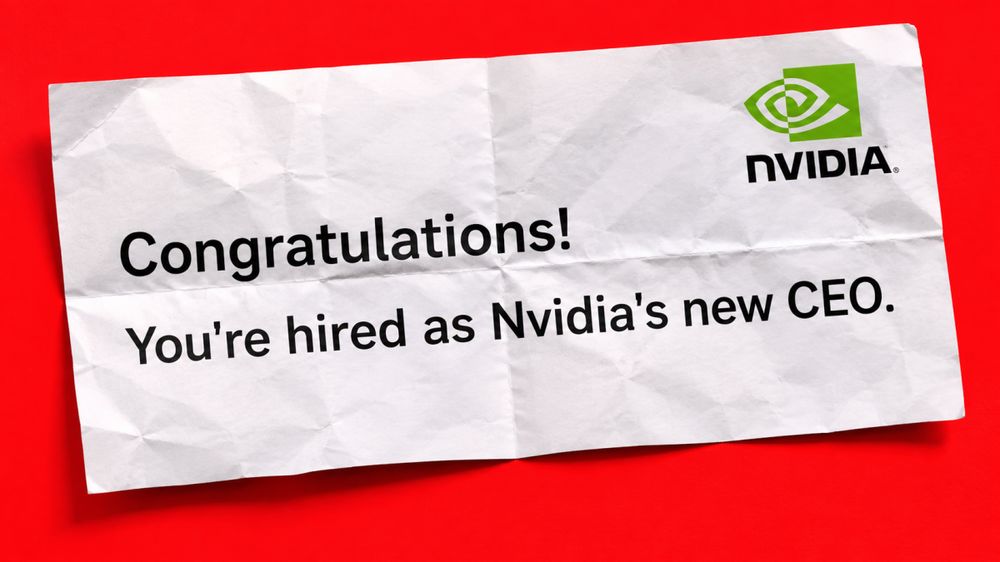
With Nvidia's board reportedly weighing Huang's removal and no public succession plan in place, TechCrunch runs through the internal and external names that could take the job. The piece is explicitly speculative, but it underlines how dependent the company's strategy has been on a single founder.
Read original ↗ -
11TechCrunch15:30
Nvidia’s crisis has corporate governance experts reaching for the popcorn
Corporate governance specialists tell TechCrunch they have not seen a situation comparable to Nvidia's, where a board may remove a founder-CEO who is central to the company's market value. The case raises questions about board oversight at companies whose valuations rest heavily on one executive.
Read original ↗ -
12TechCrunch00:16
Is Jensen Huang’s bad behavior more commonplace than it seems?
TechCrunch talks to investors and industry consultants who argue that conduct like Huang's is known about and tolerated at senior levels across tech. One investment intelligence consultant says many senior figures are aware of such behavior and effectively condone it.
Read original ↗ -
13TechCrunch04:12
Meta is losing its longtime head of infrastructure
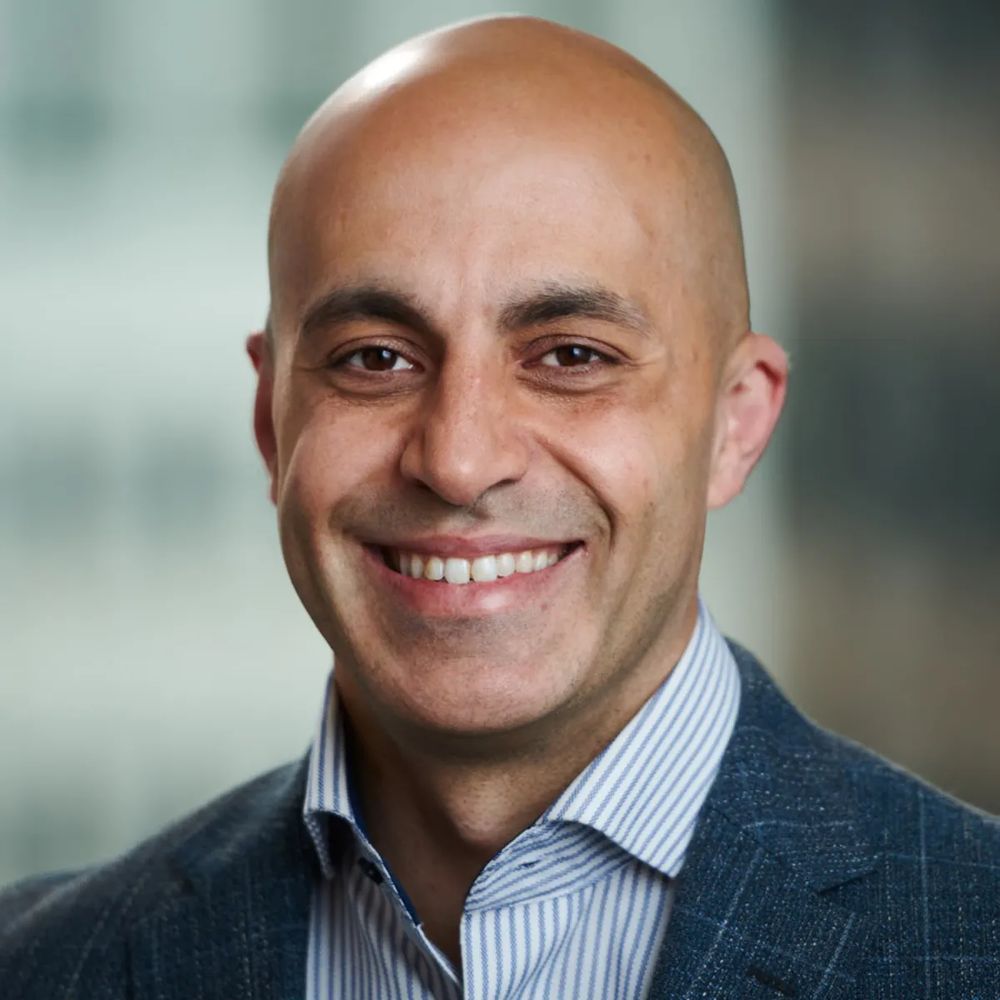
Santosh Janardhan, who joined Meta in 2009 and has led its infrastructure organization, is stepping down. The departure comes as Meta commits tens of billions of dollars to data centers and compute for its AI roadmap.
Read original ↗ -
14The Verge05:54
United won’t let your AI agent book your flight
United says it will not allow personal AI assistants to book tickets, citing privacy and regulatory concerns. The airline reports it has not yet seen much agent-driven booking activity, an observation echoed by companies such as DoorDash, but it is moving to set boundaries before that changes.
Read original ↗ -
15TechCrunch23:00
Databricks' new AI agent tells CEO Ali Ghodsi the unvarnished truth
Databricks CEO Ali Ghodsi says he uses the company's revised Genie agent to surface problems across a 12,000-person organization that employees are unlikely to report to him directly. It is a usable example of an internal analytics agent deployed at executive level rather than as a customer-facing demo.
Read original ↗ -
16TechCrunch22:00
Plurai wants to help AI agents work better using the same approach that helped get self-driving cars to roads
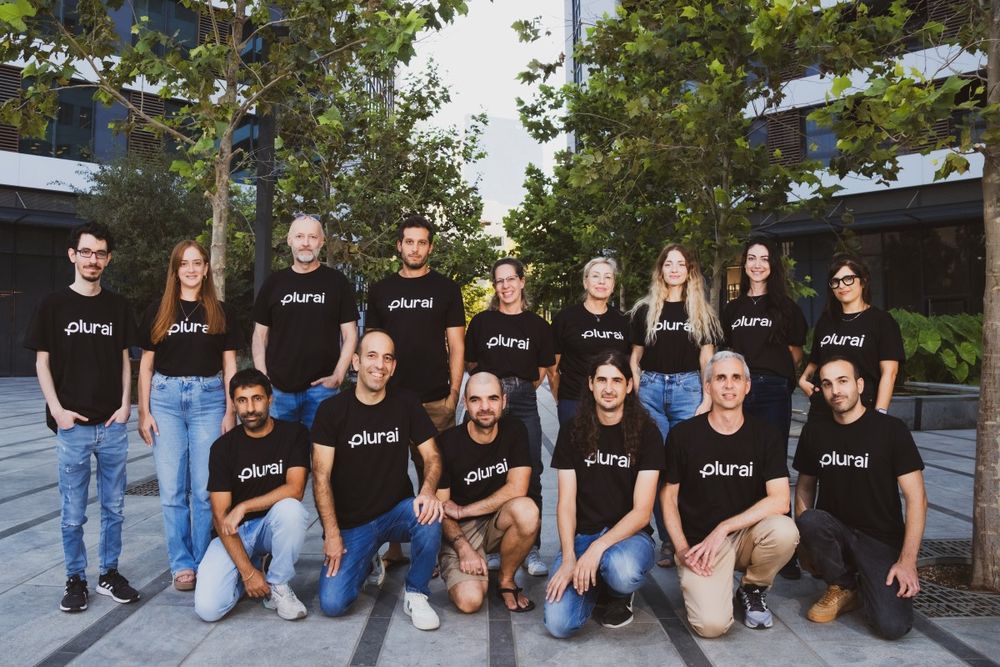
Plurai argues that AI agents, like the end-to-end models used for driving, are probabilistic systems operating in unpredictable environments, and should be evaluated with the simulation-heavy methods that autonomous vehicles rely on. The pitch targets a gap practitioners keep hitting: agents that pass demos but fail unevenly in production.
Read original ↗ -
17Ars Technica01:37
Big Walk used AI to fix a bug. Now the indie gaming world is having a reckoning.
A disclosure that the game Big Walk used AI assistance to fix a bug has set off a dispute among Independent Games Festival judges, some of whom treat any AI-generated code as disqualifying. The fight shows how far apart creative communities and software norms have drifted on where assisted coding is acceptable.
Read original ↗ -
18The Verge22:00
Adobe’s AI experiments let you walk around in photos and interview your characters
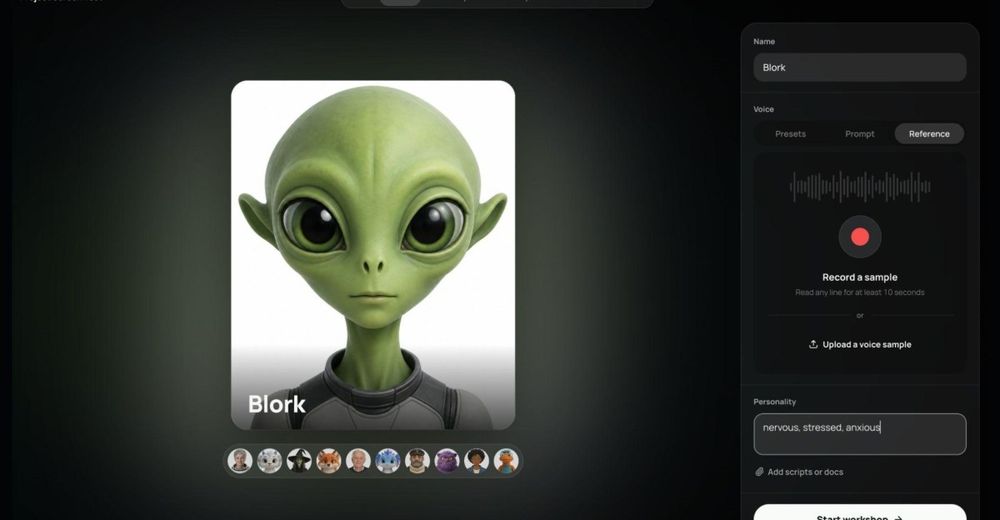
At its Max conference, Adobe showed experimental tools that convert images into explorable 3D scenes, let users design AI characters through conversation, and reduce photo editing to a copy-and-paste operation. These Sneaks demos are research previews, and not all of them reach shipping products.
Read original ↗ -
19The Verge00:00
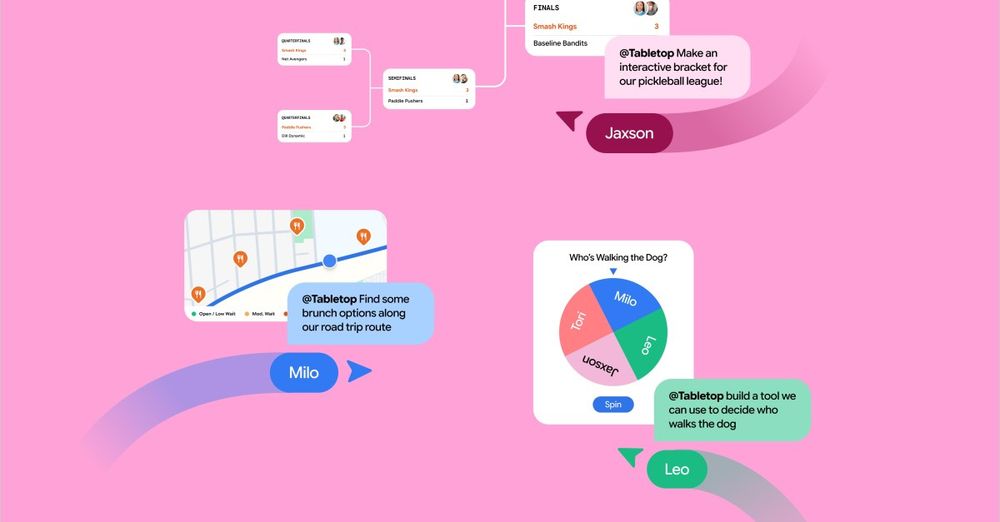
Google’s Tabletop AI experiment lets you build custom collaboration apps
Google has launched Tabletop, an experimental tool that generates customized collaboration hubs for coordinating with family and friends. It resembles workplace apps such as Asana or Monday, but users describe the interactive tools they want and the system builds them. Access is currently through a waitlist.
Read original ↗