AI News for August 23, 2026
Browse any day on a calendar, install it to your home screen, read offline.Read in the app →-
1TechCrunch03:00
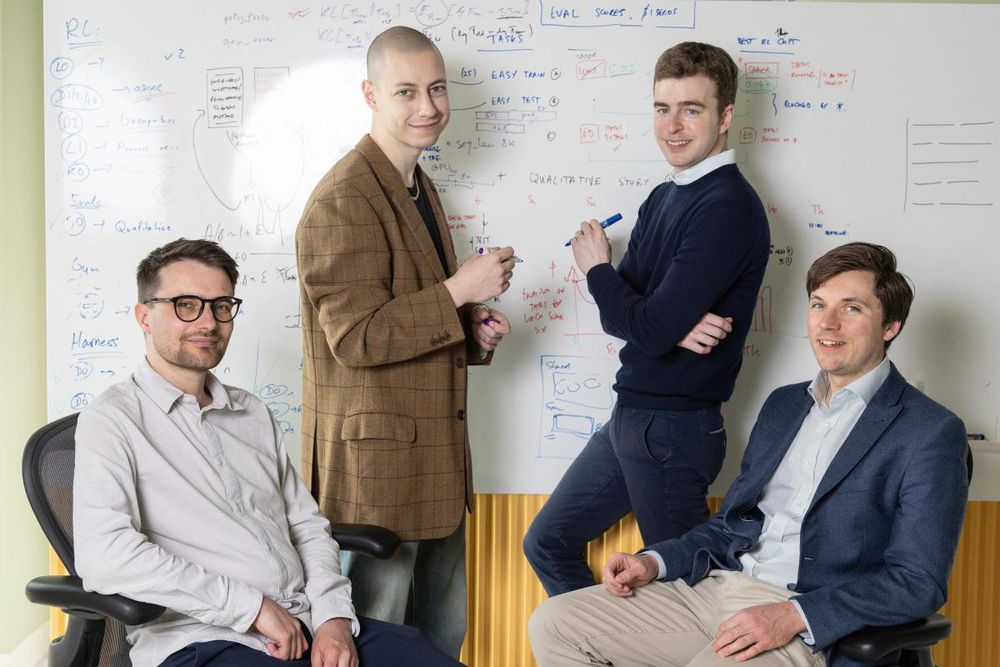
Inherent, founded by DeepMind alumni, says its AI 'teammate' just outperformed Anthropic and OpenAI at replicating research
Inherent, a UK lab founded by former DeepMind researchers, released an agent called Faraday that is pitched as a research colleague and built to reproduce the methods described in published papers. Replication is a demanding test because it requires long-horizon planning, coding, debugging and self-checking, and the company claims Faraday beats systems from Anthropic and OpenAI at it. If the results hold up, they suggest small teams can now compete on research automation once dominated by the largest labs.
Read original ↗ -
2TechCrunch00:30
OpenAI says California should strengthen its AI safety bill
OpenAI's global affairs team publicly backed tightening California's pending AI safety legislation, saying recent incidents show both that such protections are needed and that the rules must keep pace with new risks. A leading developer asking for a higher regulatory bar is unusual, and the position is likely to shape the bill's final text while raising compliance expectations for rivals.
Read original ↗ -
3TechCrunch00:00
Frontier AI labs still won't say how they'd contain a rogue model
A new study reviewed public materials from major AI labs and found almost no documented plans for what to do if a model behaves outside of its intended bounds. The gap comes as reports of unexpected and potentially hazardous model behavior increase, and it has become a central argument in current legislative debates. For companies deploying highly autonomous systems, there is effectively no industry template for incident response.
Read original ↗ -
4VentureBeat05:30
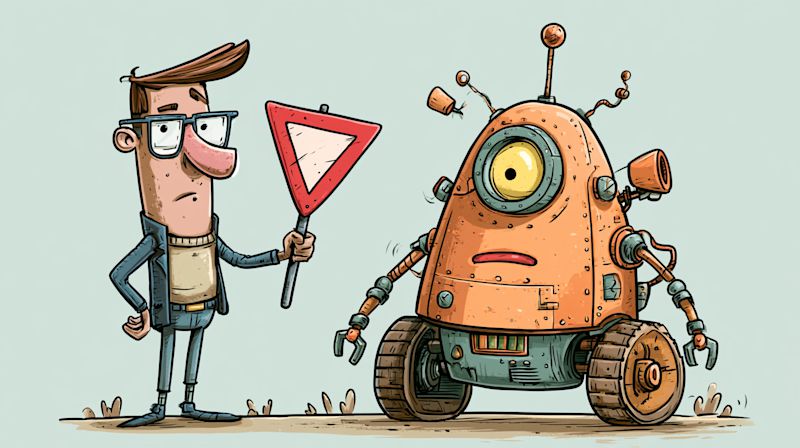
Enterprises winning with AI agents are limiting how much the agents can do alone
The prevailing assumption over the past two years has been that more autonomy makes AI agents more useful, letting them plan, decide and execute multi-step workflows on their own. Production deployments at scale are undercutting that view: many such rollouts have failed, while the companies seeing returns are the ones that draw explicit limits on what an agent may do unsupervised and keep humans and deterministic steps at critical points. That is a direct signal for teams currently designing agent architectures.
Read original ↗ -
5TechCrunch05:46
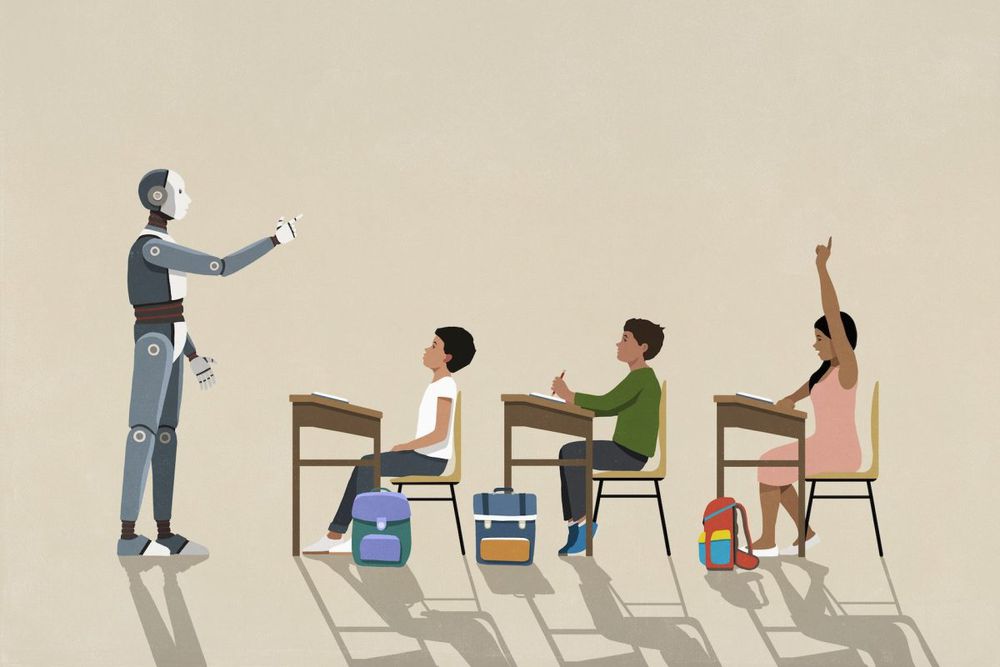
Harvard’s $699 startup bootcamp offers AI avatars of its instructors
Harvard Business School's HBS Foundry program uses AI avatars of its instructors to give participants feedback during simulated pitches and mock board meetings. The setup is an attempt to scale a name-brand faculty's reach and hold course prices down, and it gives the wider market a credentialed example of AI avatars used for role-play practice.
Read original ↗